Keeping a family recipe after the person who knew it has died
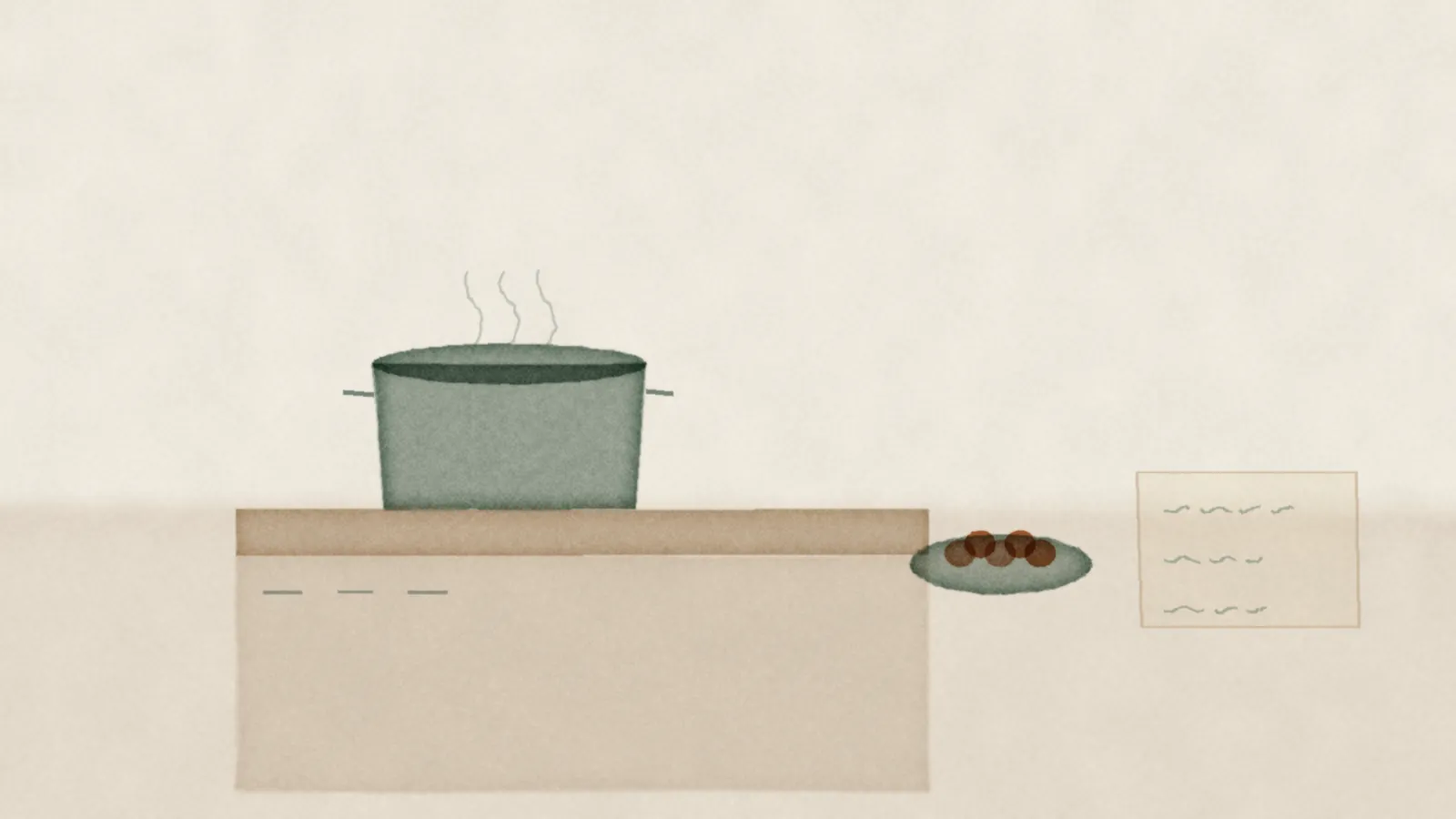
The card is in your mother's handwriting: herbs, meat, kidney beans, “enough dried lime.” She never measured. She tasted, added, and said it was ready when it smelled right. Now she has died, you live in another country, and you want to make her ghormeh sabzi for the first time without her. You stand in the kitchen and realise you don't know what “enough” means.
For many Iranian families, food holds memory: the smell of onions frying for Friday lunch, a stew that meant someone was looking after you. When the cook dies, especially far away, a recipe can feel like the last unfinished conversation. Many grieving people find comfort in keeping a connection with the person who died, through stories, objects and rituals, and cooking can be one of those connections [1].
Ask two relatives, separately
Invite two people who ate the dish often to tell you how they remember it. Ask them one at a time so their memories don't merge:
- What did it smell like while it cooked?
- What did she use to measure?
- What did she always do that no one else did?
One might remember the onions being fried until almost dark. Another remembers the dented mug used to measure the beans. Write down both accounts, even if they disagree.
Cook a small pot when you feel ready
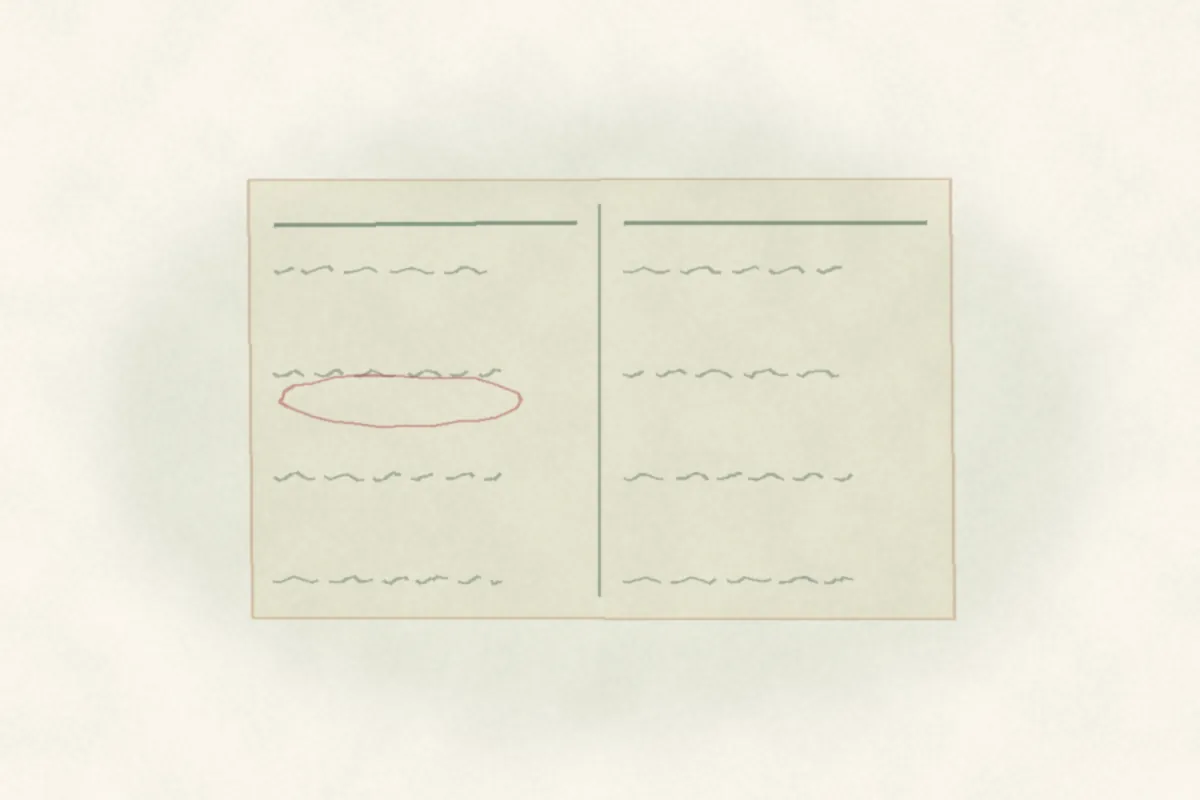
There's no rush. When you feel ready, make a small batch and write down what you actually do, step by step. Taste as you go. Then add notes:
- which parts came from memory, and whose,
- which parts are still guesses,
- a line or two about the person who cooked it.
If the first taste is too painful, it's fine to stop. You can freeze some and come back to it another day.
Let the recipe keep changing
It may take several tries before it tastes close to how you remember, and it may never be exactly the same. That's okay. Your version can be part of the story too. Some families share the recipe in a group chat or make a small book of dishes and stories for younger relatives.
When food brings grief to the surface
Cooking a loved one's food can bring up strong feelings, especially around anniversaries or Nowruz. That's a normal part of grief [2]. Our article on grieving a death in Iran when you couldn't go back may also help. If grief is making daily life very hard for a long time, please talk to a doctor or counselor.
Questions people often ask
How do I recreate a recipe from someone who never measured?
Ask people who ate it often what they remember, start with a small batch, taste as you go, and write down what you do. Expect a few tries.
Is it normal to cry while cooking a loved one's food?
Yes. Smells and tastes can bring memories back very strongly. Go at your own pace.
How can we keep family recipes for the next generation?
Write them down with notes and stories, record relatives describing them, and cook them together on family occasions.
Share memories with others who understand
In White Circle's Grief & Loss circle, Iranians abroad talk about losing loved ones from far away and the small rituals, like cooking, that help them stay connected. Explore our circles.
References
About this article. Written by the White Circle editorial team, which runs peer support groups for Iranians abroad on anxiety, low mood, relationships, divorce, grief and more. Last updated November 25, 2026. We link the research and health guidance we rely on in the references below.
This article shares general information and lived-experience perspectives. It is not medical advice, diagnosis or treatment, and peer support is not a substitute for care from a licensed professional.
Related support groups: