Facing the first Nowruz after a loss
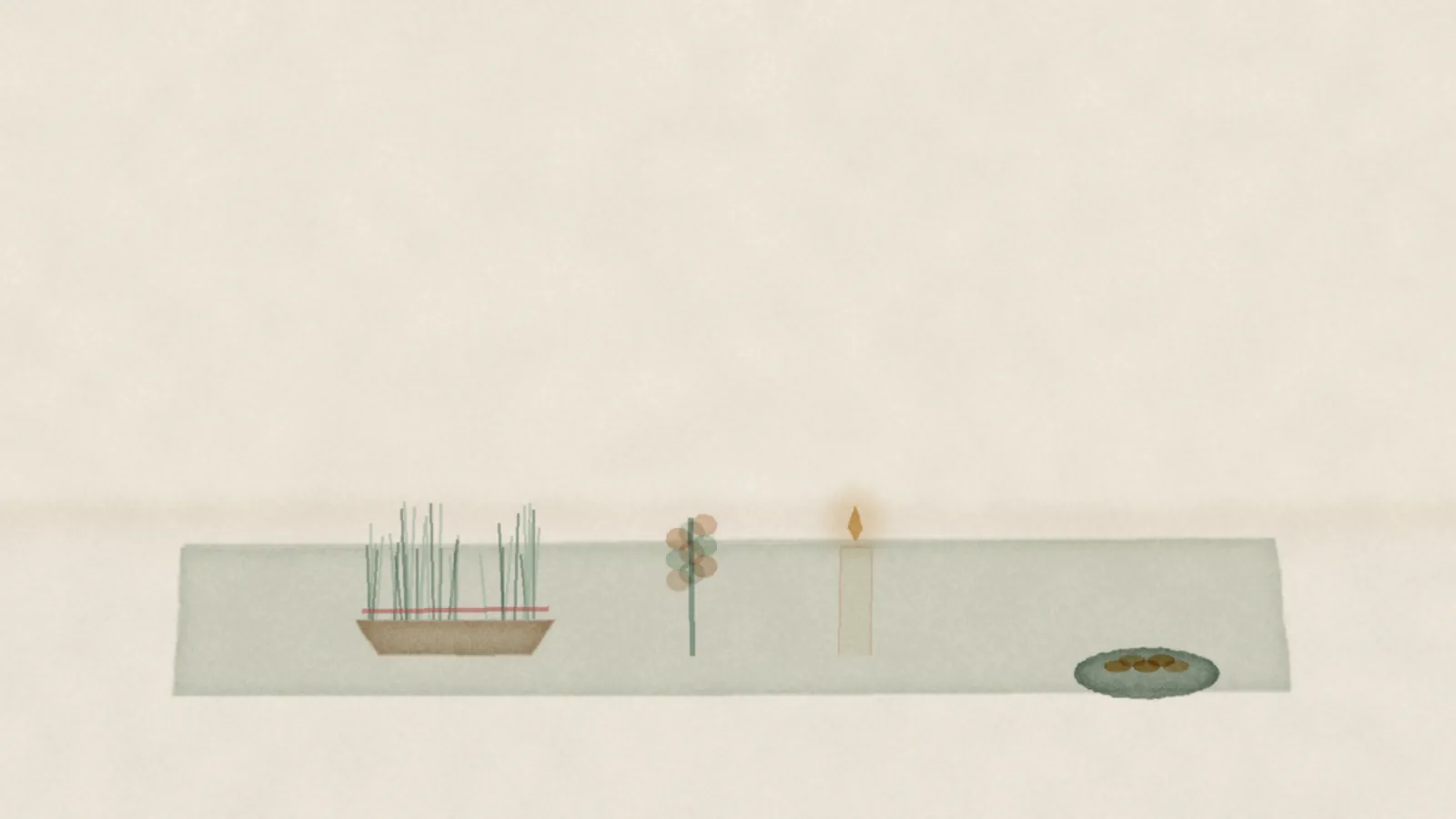
You open the box of haft-seen things and there it is: the little dish your father always claimed for the coins, insisting every year that it had to sit just so. Suddenly the whole holiday feels impossible. Everyone around you is planning visits, buying new clothes, cleaning the house. You're not sure you can bear any of it.
The first Nowruz after a death can be one of the hardest days of the year. It's a holiday built around family, renewal and joy, and the absence of someone who was always there can feel enormous. In many Iranian families, the first Nowruz after a death is traditionally marked more quietly, and relatives may visit the bereaved family. Abroad, those customs may be harder to follow, and you may be grieving far from the rest of the family.
Decide about one object before the whole holiday
You don't need to decide how to handle all of Nowruz today. Start with one small thing, like that dish:
- put it on the table, in their memory,
- lend it to a sibling who might want it this year,
- leave it wrapped, for now.

You can change your mind tomorrow. Small decisions are easier to make, and they can help you find your way into the larger ones.
Tell hosts what you can manage
If you're invited to gatherings, it's okay to say what kind of visit you can manage:
- “I'd love to come for tea and leave before dinner.”
- “I can't do a big party this year, but could I see you the next day?”
Arrange your own way home if possible, so you can leave when you need to.
Allow different ways of marking the day
Some family members may want music and celebration, to honour the person's love of life. Others may want quiet. You can join for one song, or meet the next day. Grief researchers describe how people often move back and forth between focusing on the loss and engaging with life again, and both are part of healthy grieving [2]. The first Nowruz asks enough of everyone without a rule about how cheerful anyone should look.
Create a small ritual of remembrance
Some families add something to the haft-seen in memory of the person who died: a photo, a candle, their favourite flower or sweet. You might read a poem they loved at the moment of the new year, or call a relative to share a memory.
Look after yourself in the days around it
The lead-up can be harder than the day itself. Plan rest, keep meals simple, and say no to obligations you can't manage. Holidays and anniversaries often bring grief back strongly [1].
When grief feels overwhelming
If you feel unable to cope, are struggling to function day to day, or are having thoughts of not wanting to live, please reach out. In the US and Canada, call or text 988; in the UK and Ireland, Samaritans are on 116 123; elsewhere, contact local emergency services. See our support resources page.
Questions people often ask
Do Iranians celebrate Nowruz after a death in the family?
Customs vary. Many families mark the first Nowruz after a death quietly, without celebrations, and receive visitors instead. Others choose a gentle gathering. There is no single right way.
How do I explain to my children why this Nowruz feels different?
Be honest and simple: “This is our first Nowruz without Baba Bozorg, so we might feel sad as well as happy.” Let them help choose a way to remember him.
Is it okay to enjoy the holiday while grieving?
Yes. Moments of joy don't mean you've forgotten or loved them less. Grief and happiness can sit side by side.
You don't have to face it alone
In White Circle's Grief & Loss circle, Iranians abroad support each other through first holidays and anniversaries. Explore our circles.
References
About this article. Written by the White Circle editorial team, which runs peer support groups for Iranians abroad on anxiety, low mood, relationships, divorce, grief and more. Last updated November 25, 2026. We link the research and health guidance we rely on in the references below.
This article shares general information and lived-experience perspectives. It is not medical advice, diagnosis or treatment, and peer support is not a substitute for care from a licensed professional.
Related support groups: