Making room for mourning rituals when family is far away
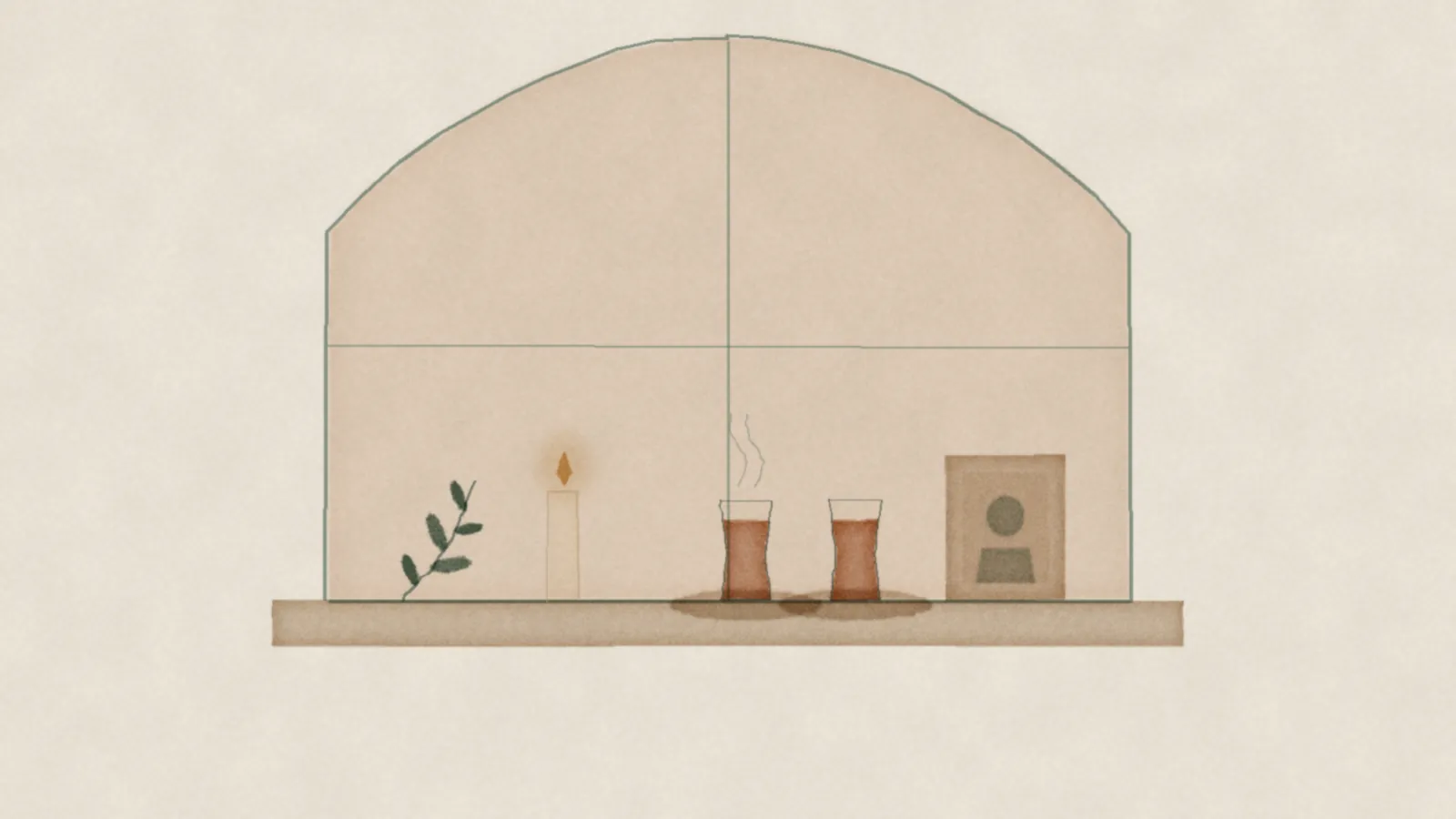
In Iran, the family is gathering for the seventh-day memorial. There will be dates and halva, prayers or poetry, relatives you haven't seen in years. Here, it's a Tuesday morning. You're packing lunches and checking the time difference, and you feel the distance more sharply than ever.
Mourning rituals, such as the gatherings of the first days, the seventh day, the fortieth day (chehelom) and the anniversary, help families share grief and honour the person who died. When you can't be there, it can feel like you're grieving outside the circle. But rituals can travel in pieces. Many people find comfort in creating small, personal ways to mark a loss wherever they are. Grief researchers describe how maintaining an ongoing connection with someone who has died, through memories, objects and rituals, can be a healthy part of mourning [1].
Ask what mattered most to the person
Instead of trying to recreate the whole ceremony, think about the person you're remembering. What did they always do? What did they love?
- If they always poured tea for late arrivals, invite one friend for tea and tell that story.
- If they loved a particular poem, read it aloud at the time of the memorial.
- If they cooked a certain dish, make it and share it with neighbours.
- If they loved a garden, plant something in their name.
The gathering can be small: one friend, your partner, your children, or just you.
Create a shared moment across countries
If you'd like to feel connected to family at home, agree on a time and one simple act everyone can do wherever they are: lighting a candle, reading a verse, playing a song, or sitting quietly for a few minutes.
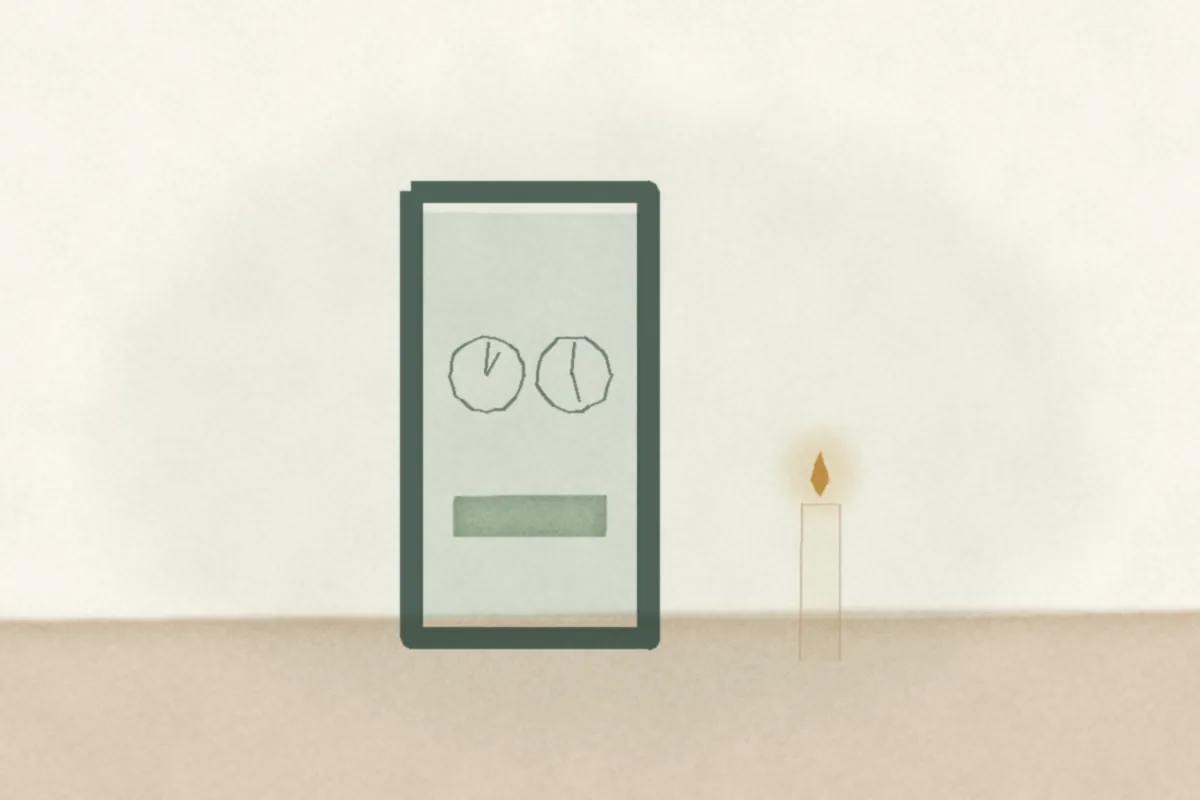
Video calls can let you join part of a gathering, but they can also feel overwhelming. It's fine to join for a short time, or to call one person afterwards instead.
Be gentle about recording and sharing
Ask before recording or circulating anyone's voice, image or words from a memorial, especially in family groups. Some people may not want their grief shared, and some families have safety concerns about what is posted online.
Leave room for quiet grief
Not everyone can speak or take part on the day. Let people join quietly, send something later, or skip it. A ritual should hold space for those whose grief makes speaking difficult, including you.
Keep marking the dates
The fortieth day and the first anniversary can bring grief back strongly. Put the dates in your calendar and plan something small in advance. You don't have to feel the “right” way on those days.
When grief feels too heavy
Grief is a normal response to loss, and it can be intense for a long time [2]. But if months later you're unable to function day to day, feel numb or hopeless, or can't stop thinking about the death, please talk to a doctor or grief counselor. If you're thinking about harming yourself, in the US and Canada call or text 988, in the UK and Ireland call Samaritans on 116 123, or contact local emergency services. See our support resources page.
Questions people often ask
How can I take part in a funeral in Iran from abroad?
Ask family whether they can connect you by video or phone for part of the gathering, or agree a time to do something together, such as reading a verse. You can also hold a small gathering where you live.
Is it okay not to follow all the traditional rituals?
Yes. Rituals are there to support grief, not to test it. Choose the parts that feel meaningful to you and let the rest go.
What do I say to my children about a relative's death far away?
Use simple, honest words suited to their age, share a memory or photo, and let them take part in a small ritual if they want to.
Grieve with others who understand distance
In White Circle's Grief & Loss circle, Iranians abroad support each other through losses that happen far away. Our article on grieving from abroad may also help. Explore our circles.
References
About this article. Written by the White Circle editorial team, which runs peer support groups for Iranians abroad on anxiety, low mood, relationships, divorce, grief and more. Last updated November 25, 2026. We link the research and health guidance we rely on in the references below.
This article shares general information and lived-experience perspectives. It is not medical advice, diagnosis or treatment, and peer support is not a substitute for care from a licensed professional.
Related support groups: