What to say to a grieving friend across time zones
You hear that your friend's mother has died in Tehran. You open your messages and type, “How are you?” Then you delete it, because the answer is too large for a text. You try, “I'm so sorry for your loss,” and it sounds like a card from a stranger. In the end, you send nothing, and the silence starts to feel worse than any wrong word.
Many people freeze when someone they care about is grieving, especially from far away. You can't bring food, sit with them at the memorial, or hug them at the door. But distance doesn't make support impossible. What helps most is usually simple: naming the loss, showing you remember the person, and offering something specific, again and again over time.
Name the loss and take away the pressure to reply
A short message that acknowledges what happened, and makes clear no answer is needed, can be a relief:
- “I'm thinking of you and your mum today. You don't need to reply.”
- “I just heard about your father. I'm so sorry. I'm here whenever you want to talk.”
- In Persian, many people say “Ghame akharetoon bashe” (may this be your last sorrow), or “Khoda rahmatesh kone” (may God have mercy on them). Use whichever words fit your friend and their beliefs.
Use a real memory, however small
If you knew the person, share something specific:
- “I still remember her insisting we take fruit for the road every time we visited.”
- “Your dad's laugh at your graduation is something I'll never forget.”
Memories show your friend that the person they lost mattered to others, too. If you didn't know them, you can ask: “Would you tell me about her sometime?”
Offer help in your friend's local time
Across time zones, practical help can mean being awake when the house goes quiet. Offer a specific window in your friend's time:
- “I can call between nine and ten tonight your time if you'd like company.”
- “I'm up early. If you can't sleep, message me.”
Other practical help from afar might include ordering a meal delivery, helping with flight searches if they need to travel, or covering a task for them at work or in a shared group.
Remember after the crowd has gone home
In the first days, messages pour in. A few weeks later, they stop, just when grief often becomes heaviest. Set a reminder for three or four weeks later, and again around the fortieth day and the anniversary.
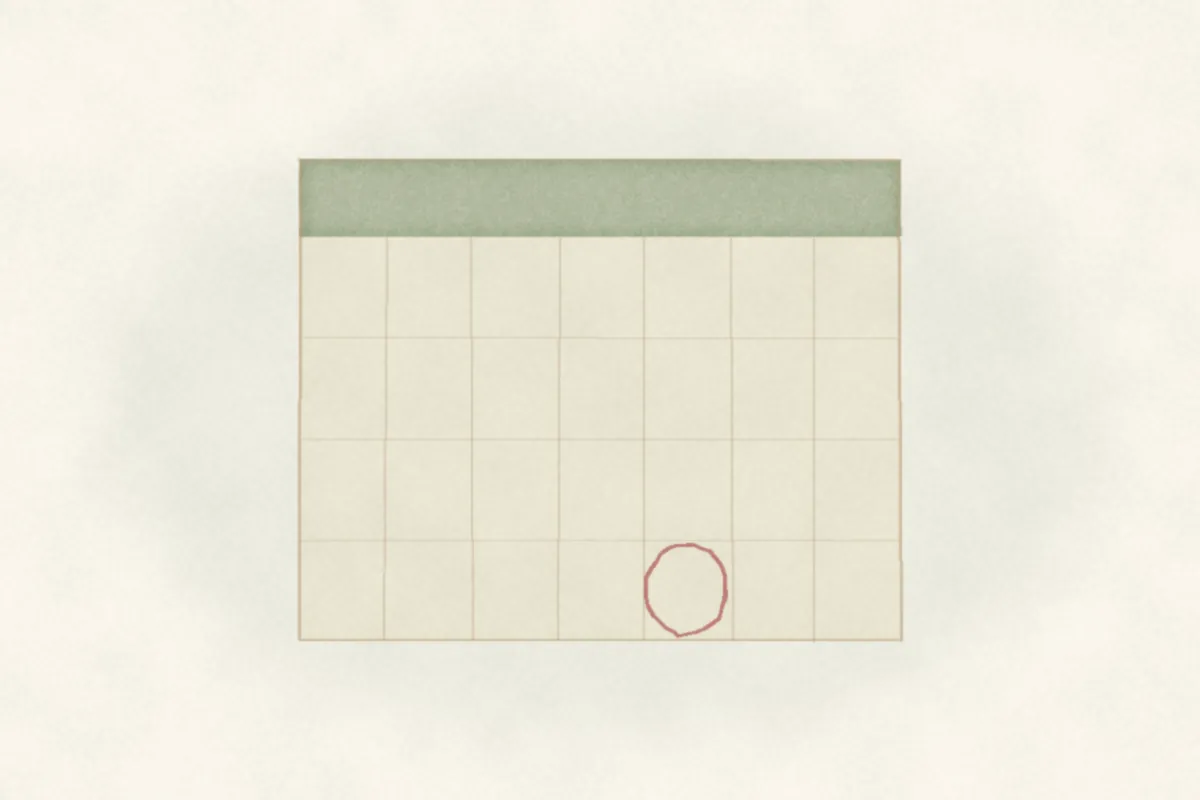
A message after everyone else has moved on can matter more than finding perfect words today [1].
What to avoid
- Comparing their loss to your own experience straight away.
- Telling them how they should feel, or that they should be “over it”.
- Phrases that minimise, like “At least she had a long life.”
- Pushing them to talk if they don't want to.
When to be more concerned
Grief can be intense and long-lasting, and it looks different for everyone [2]. If your friend talks about not wanting to live, seems unable to function months later, or is isolating completely, gently encourage them to see a doctor or grief counselor. If you believe they're in immediate danger, contact emergency services where they are. In the US and Canada, they can call or text 988; in the UK and Ireland, Samaritans are on 116 123.
Questions people often ask
What do you text someone who is grieving?
Keep it short and sincere: name the loss, say you're thinking of them, and make clear they don't need to reply. Adding a memory of the person is often meaningful.
Is it too late to send condolences?
Almost never. A late message that says “I've been thinking of you and wanted to say how sorry I am” is still welcome, often more than you'd expect.
How do I support a friend whose parent died in Iran when they couldn't travel?
Acknowledge that grief from afar is especially hard, offer to help with a small memorial where they live, and check in around key dates. Our article on grieving from abroad may help them.
Support others, and be supported
In White Circle's Grief & Loss circle, Iranians abroad support each other through bereavement across distances. Explore our circles.
References
About this article. Written by the White Circle editorial team, which runs peer support groups for Iranians abroad on anxiety, low mood, relationships, divorce, grief and more. Last updated November 25, 2026. We link the research and health guidance we rely on in the references below.
This article shares general information and lived-experience perspectives. It is not medical advice, diagnosis or treatment, and peer support is not a substitute for care from a licensed professional.
Related support groups: