How to say no politely when taarof is part of the conversation
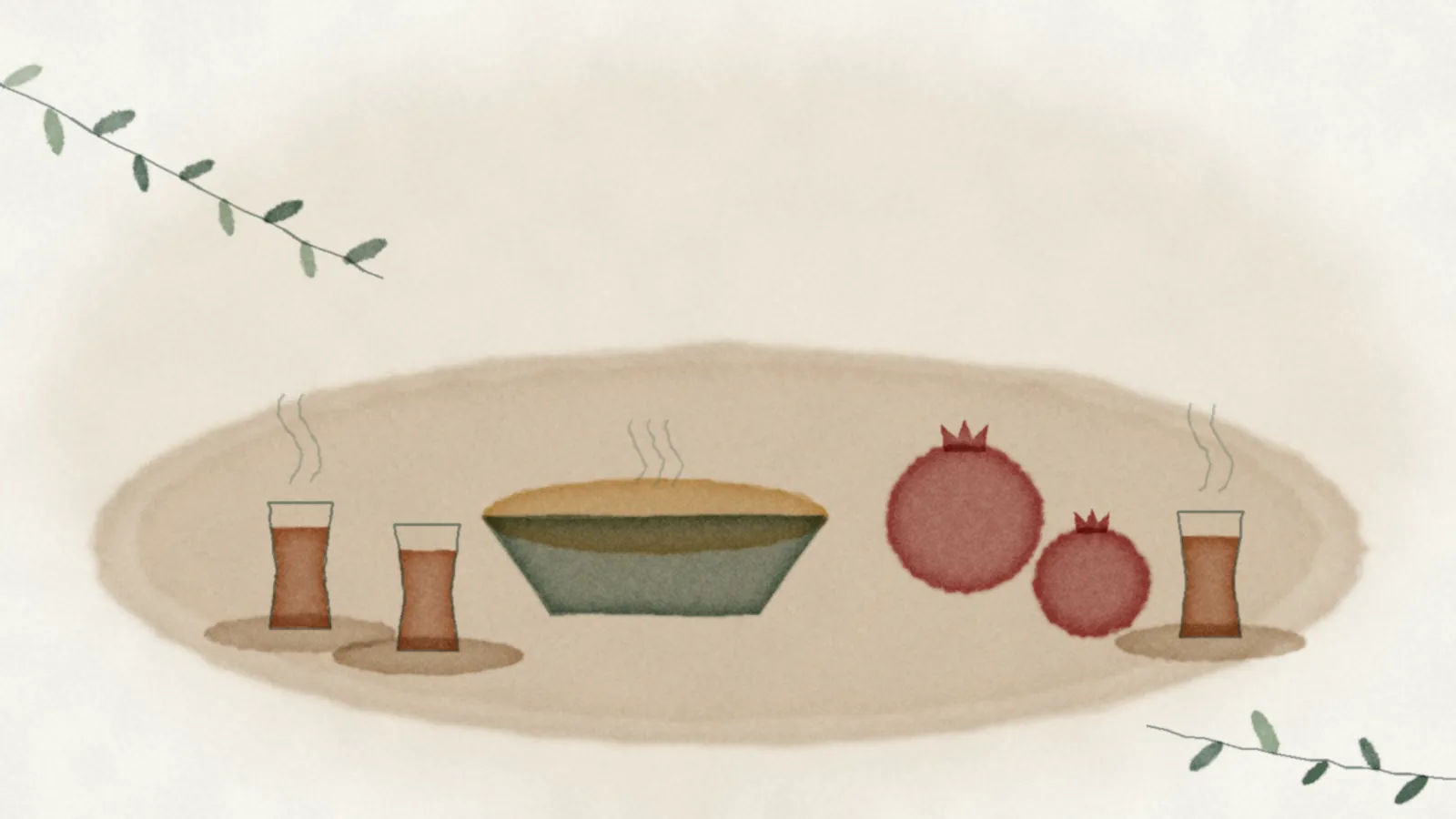
The host holds the plate of rice toward you a third time. You say, “No, thank you, really,” and you mean it. But your “no” sounds exactly like the polite refusal that, in a Persian home, usually means ask me once more. So the plate keeps coming.
That small moment is taarof (تعارف) at work. It is one of the warmest parts of Iranian culture and, for many people living abroad, one of the most confusing. You may move between two sets of rules in the same week: an aunt who expects three rounds of offers, and a coworker who takes your first “no” at face value. This article is about saying no in a way that keeps the warmth and drops the guessing.
What taarof is, and why a clear “no” is hard
Taarof is a set of ritual courtesies: offering before being asked, refusing before accepting, insisting that a guest go first, saying “it’s not worthy of you” about a gift you chose with care. Linguists who study Persian describe these exchanges as a way of honoring the other person and protecting everyone’s face, the social standing that each side tries to keep intact [1]. Anthropologist William Beeman described how this kind of polite back-and-forth helps people manage status and closeness in everyday Iranian life [2].
Taarof is not dishonesty. It is a shared script, and when everyone knows the script it works smoothly. The trouble starts when one person is following it and the other is not, or when you genuinely want to decline and the script has no obvious exit.
Why it can feel harder after moving abroad
Distance raises the stakes. Visits are rarer, so every meal feels important. Relatives may read a refusal as a sign that you have become “foreign” or cold. Meanwhile your own life abroad may depend on clear answers: shifts, school pickups, a budget that does not stretch. Switching between two sets of expectations, sometimes in the same afternoon, can be tiring in its own right.
A simple formula: warmth, a clear answer, and something true
You do not have to abandon taarof to be understood. A reliable approach is to put three things in the same breath:
- Warmth. Show appreciation for the offer itself. “That was delicious.” “You’re always so generous.”
- A clear answer that does not invite a second round. Include one concrete reason, or a word like really or honestly, plus a closing phrase. “I’m truly full, I couldn’t eat another bite.”
- Something you actually want, if anything. “I’d love a glass of tea, though.” Only offer this if it is true. Accepting something small can let the host finish their role as host.
In Persian, many families recognize phrases that signal a real “no”: “به جان خودم سیرم” (I swear I’m full) or “تعارف نمیکنم، واقعاً نمیخورم” (I’m not doing taarof, I really won’t). Naming the ritual out loud, with a smile, is often the kindest way to step outside it.
Saying no to bigger requests
Food is the gentle version. Taarof also shows up around favors: “Of course you’ll stay with us,” “Don’t be silly, you’ll drive me to the airport,” or a relative offering to pay when you know they cannot afford it. Here, leaving room for guessing causes real problems, because someone will make plans based on your answer.
For bigger requests, keep your words short and specific:
- Name what you can’t do and when. “I can’t drive to the airport on Thursday.”
- Point them toward a next step. “Please arrange another ride. I can help look up the shuttle times tonight.”
- Repeat once, calmly, if they insist. Repeat only the part that affects their plan. You don’t need a longer explanation each time.
An early, clear answer is a gift. It gives the other person time to find another solution and saves you from resentment later. If you are worried about tone, you can add warmth afterward: “I’m sorry I can’t this time. I’m really looking forward to seeing you on Saturday.”
When the other person is doing taarof with you
Sometimes you are on the receiving end. A friend says “No, no, you shouldn’t have” about a gift, or a relative refuses help you sincerely want to give. If you are unsure whether it is a real refusal, offer once more and then ask directly but lightly: “Is that a real no, or a polite one? Either is fine with me.” Many people are relieved to be asked.
Explaining taarof to non-Iranian partners, friends and coworkers
If your partner, in-laws or colleagues did not grow up with taarof, a short explanation prevents a lot of hurt feelings. You might say: “In my family, people often refuse an offer the first time to be polite. If you really want them to have it, offer twice. And if I say no to something, I’ll tell you if I mean it.”
At work, the opposite problem can appear. If you refuse a promotion, a seat at the table or credit for your idea out of politeness, people in many workplaces will simply accept your refusal. Practice saying yes to things you want: “Thank you, I’d be glad to.”
When saying no feels like a much bigger struggle
For some people, the difficulty is not etiquette. It is a deep fear of disappointing others, or a family pattern where any “no” leads to conflict, guilt or silence. If declining small requests leaves you anxious for days, or you find yourself agreeing to things that harm your health, money or relationships, it may help to talk it through with others who understand the culture.
A peer support group is a place to practice and compare notes, not a replacement for professional help. If stress, low mood or family conflict is affecting your sleep, work or safety, please also speak with a licensed mental health professional or your doctor where you live.
Questions people often ask
Is it rude to refuse taarof?
Not if you do it warmly. Most hosts mainly want to know that you felt welcome. Thanking them, praising the food and accepting something small, such as tea or fruit, usually honors the gesture even when you decline the main offer.
How many times should I refuse before accepting?
There is no fixed number, and it varies between families and regions. If you want to accept, it is fine to accept on the second offer. If you want to decline, make your first refusal clear enough that a second offer is not needed.
What if my parents say I have “forgotten” taarof?
You can acknowledge what matters to them while keeping your boundary: “I know this is how we show respect, and I respect you. I also need to give clear answers so people can plan.” Changing how you say no is not the same as rejecting your culture.
Practice it with people who get it
Many Iranians abroad are figuring out the same balance between warmth and clarity. In White Circle’s Personal Growth and Self-Esteem & Confidence circles, members share the phrases that work for them and practice them in a low-pressure setting. If you’d like to try it, you can explore our support groups.
References
About this article. Written by the White Circle editorial team, which runs peer support groups for Iranians abroad on anxiety, low mood, relationships, divorce, grief and more. Last updated November 25, 2026. We link the research and health guidance we rely on in the references below.
This article shares general information and lived-experience perspectives. It is not medical advice, diagnosis or treatment, and peer support is not a substitute for care from a licensed professional.
Related support groups: