Rediscovering interests you put aside while getting settled
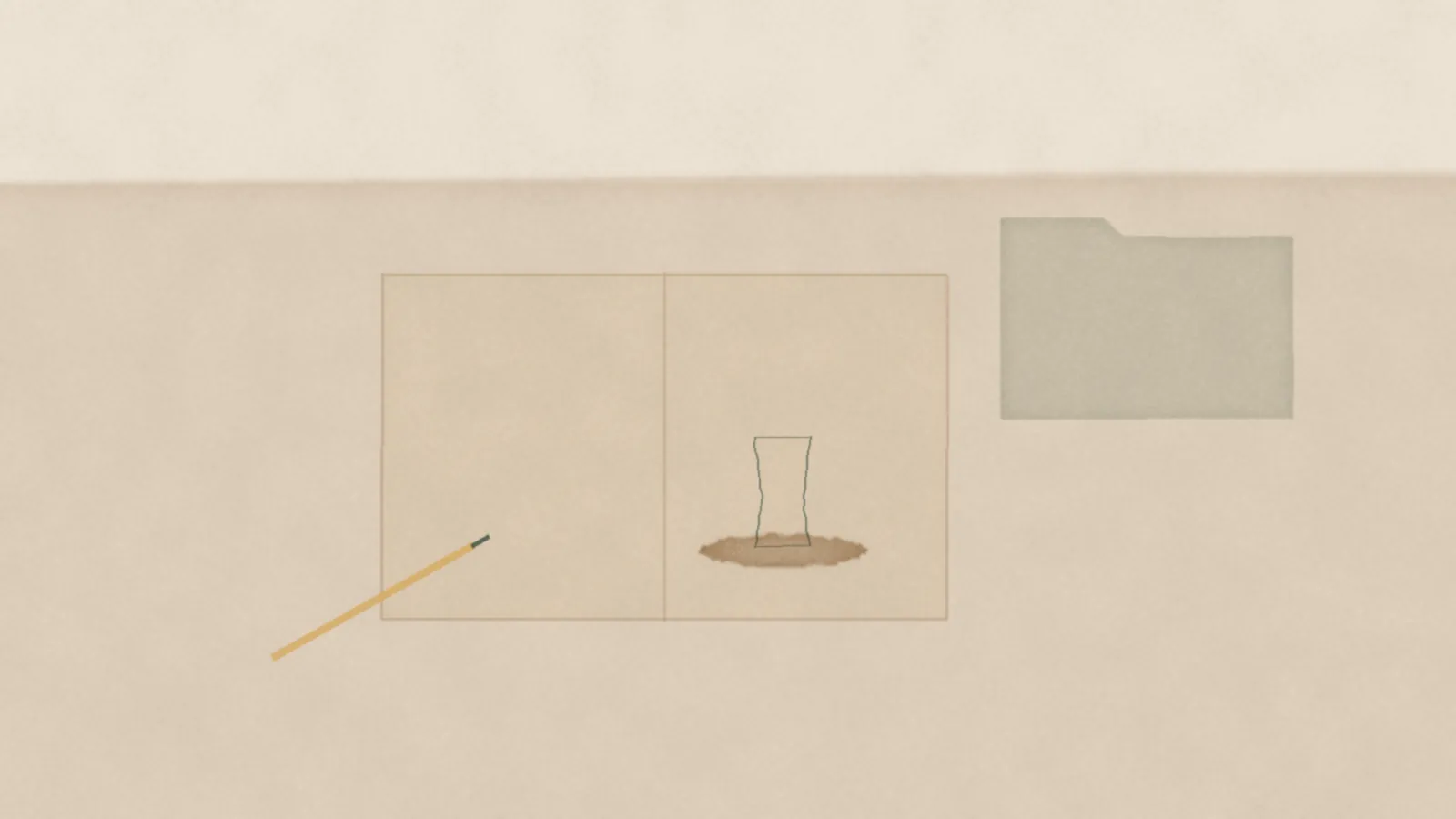
You're looking for a document in the folder of immigration papers when your old sketchbook slides out from underneath. The last drawing is years old: your sister asleep on the sofa in Shiraz. You turn the page and feel a mix of warmth and loss. You used to draw every day. Buying a fresh book now feels like making a promise you're not sure you can keep.
Many people put hobbies aside during a demanding season of life, and a move abroad is a common one. There is too much to do, money is tight, the setar stayed behind, the football team is gone, or it just feels self-indulgent while everything else is uncertain. Months become years. But the interests you loved are part of who you are, and coming back to them, even a little, can help you feel more like yourself in a new place. Engaging in hobbies has been linked with better wellbeing [1], and doing things that matter to you is a core step in WHO's guide to handling stress [2].
Make the return small and ordinary
You don't need a fresh sketchbook, a new instrument or a membership. Start with what's already around you:
- draw the chipped rim of your tea glass on the back of an envelope while the kettle boils,
- hum or play one song you used to know, badly, on a free app,
- read one poem from an old favourite book,
- kick a ball in the park for ten minutes.
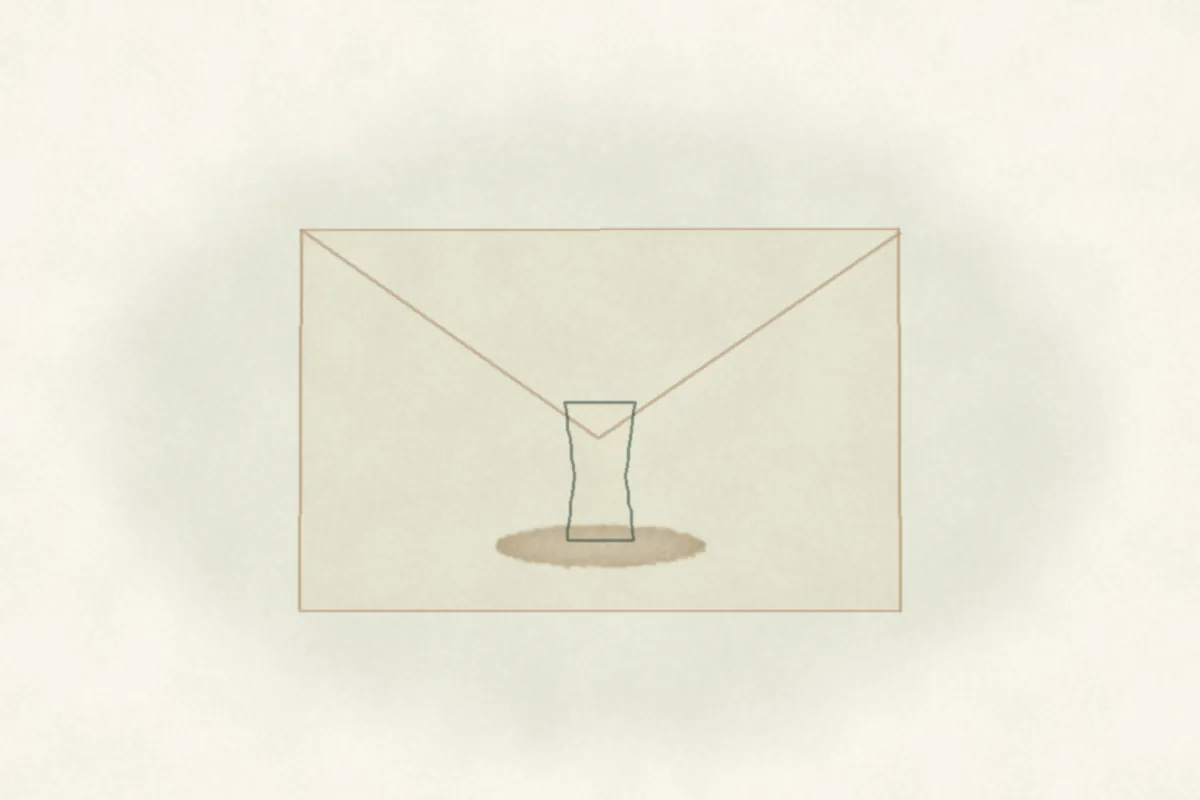
A return can be that ordinary. No one needs to see it.
Notice what interrupted the interest
Ask yourself what actually got in the way, so you can solve the right problem:
- Space? Make a small bag or box you can pull out and put away.
- Time? Attach it to something you already do, like five minutes after dinner.
- Money or equipment? Look for libraries, community centres or second-hand shops.
- Company? Send a photo of your attempt to the cousin or friend who used to do it with you. Look for a local group.
Let go of your old standard, for now
You may be rusty, and that can sting if you were once good. Compare the activity not with your past skill, but with how your afternoon would otherwise have felt. Did it bring you a little calm, focus or joy? That's enough. Your old standard can wait until it becomes useful again.
Connect it to your new life
Some people find their old interests take new shapes abroad: a Persian music group, a poetry night, a football team of fellow immigrants, or teaching a skill to children. These can bring connection as well as joy. Others prefer to keep the hobby as a private link to who they were. Both are fine.
When nothing brings pleasure
If you've lost interest in almost everything for more than two weeks, feel persistently low, or can't imagine enjoying anything, that may be more than a busy season. Please talk to a doctor. Our guide to low energy and everyday tasks may help in the meantime.
Questions people often ask
Why did I lose interest in my hobbies?
Big transitions take enormous energy, and hobbies are often the first thing to go when time, money and space are tight. Losing touch with them doesn't mean you've lost the interest itself.
How do I get motivated to start again?
Start smaller than feels worthwhile, such as five minutes or one sketch, and attach it to an existing routine. Motivation often follows action rather than coming first.
Is it selfish to spend time on hobbies when there's so much to do?
No. Activities that restore you help you cope with everything else. Small, regular breaks can make the rest of your responsibilities feel more manageable.
Share your return with others
In White Circle's Personal Growth circle, Iranians abroad share the interests they've found their way back to. Explore our circles.
References
About this article. Written by the White Circle editorial team, which runs peer support groups for Iranians abroad on anxiety, low mood, relationships, divorce, grief and more. Last updated November 25, 2026. We link the research and health guidance we rely on in the references below.
This article shares general information and lived-experience perspectives. It is not medical advice, diagnosis or treatment, and peer support is not a substitute for care from a licensed professional.
Related support groups: