Finding your place again in a social circle you used to share
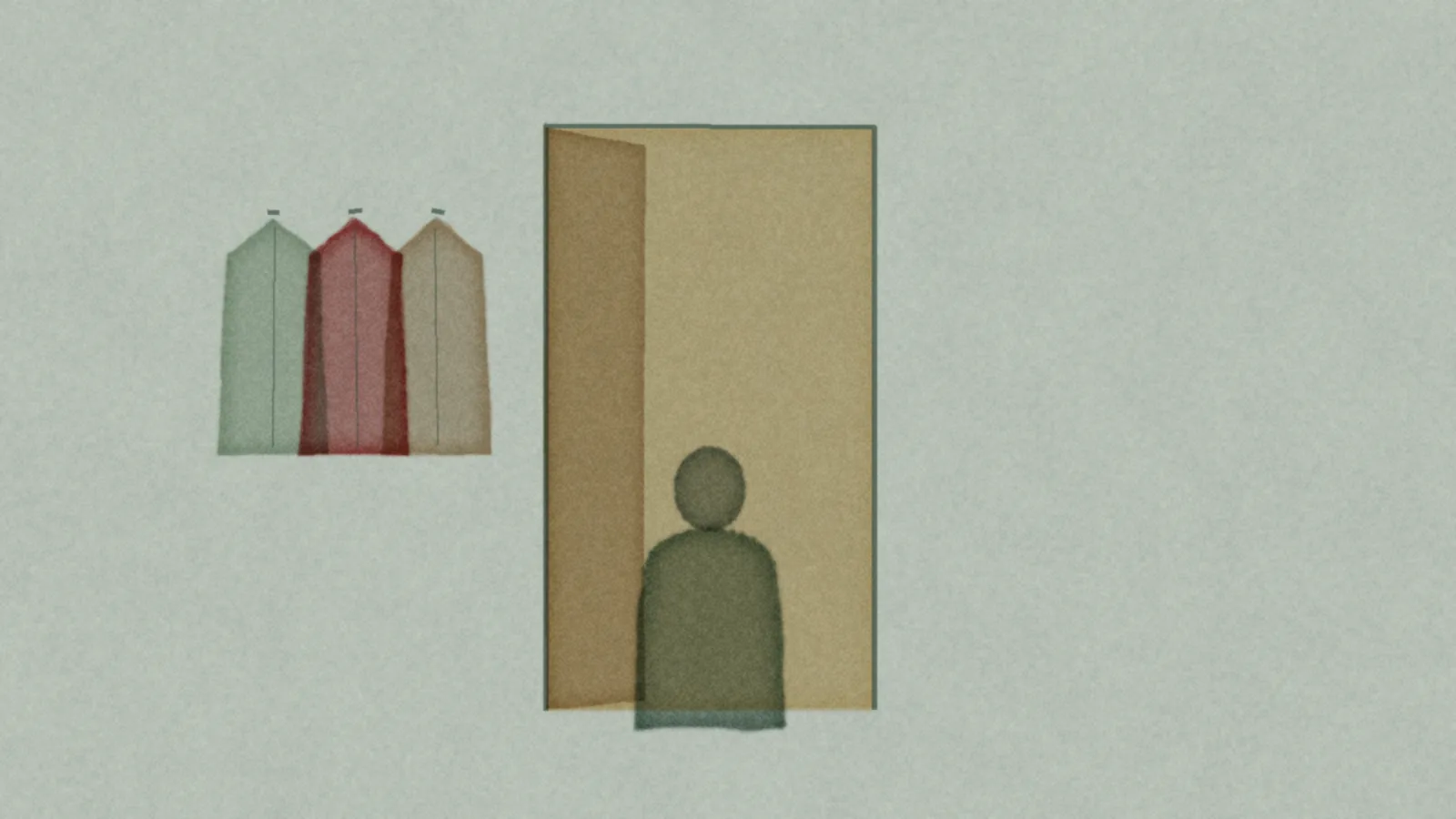
The message is from Shirin, a friend you've known since you both arrived: a yalda night at her place, everyone's coming. Your first thought isn't about the pomegranates. It's whether your ex will be there, and whether people will watch how you two behave. In a small Iranian community, the same twenty people tend to be at every gathering.
After a separation, shared friends can feel like disputed territory. Some friends drift towards one person; others try hard to stay neutral and end up awkward with both. Losing friendships on top of a relationship is a real second loss. But with a few clear requests, many of these friendships can survive.
Ask the host for what you need to decide
You're allowed to ask who will be there. Do it privately and without asking the host to uninvite anyone:
- “Do you expect both of us? I'm deciding whether this is a good evening for me.”
This lets the host give you information without forcing them to choose sides. Then you can decide.
If you go, make a small plan
- Arrange your own transport, so you can leave when you want.
- Choose one friend to greet first when you arrive.
- Decide roughly when you'll leave, and let yourself go earlier if needed.
A short, polite hello to a former partner is enough if you meet. You don't owe anyone a public conversation.
If you skip it, keep the friendship alive another way
Not going to one gathering doesn't mean losing the friend. Suggest something separate: “I'll sit this one out, but I'd love to have lunch next week.” Friendships grow through time spent together, and one-to-one time often feels easier after a breakup than group events [2].
Tell friends what you'd rather not hear
Mutual friends often don't know what's helpful. You can make clear, kind requests:
- “I'd rather not hear news about him for a while. It's not that I mind you staying friends.”
- “Please don't pass on anything I tell you.”
Most friends are relieved to know the rules.
Build some connections of your own
It can help to have at least a few relationships that weren't shared: a class, a walking group, a colleague you get along with, or a peer support group. That gives you places to be yourself without history in the room [1].
Questions people often ask
How do I deal with mutual friends after a breakup?
Be clear about what you need, such as information about events or privacy about your ex, and avoid asking friends to choose sides. Spend one-to-one time with the friends who matter most.
What if my ex is at the same party?
A brief, polite greeting is enough. Have your own transport and a friend to talk to, and leave whenever you want.
Is it normal to lose friends after a divorce?
It's common for some friendships to change or fade. Many remain, especially when you keep in touch individually.
Find people who've walked this path
In White Circle's Divorce & Breakup Recovery circle, Iranians abroad talk about separation, including how they've handled shared friends in small communities. Explore our circles.
References
About this article. Written by the White Circle editorial team, which runs peer support groups for Iranians abroad on anxiety, low mood, relationships, divorce, grief and more. Last updated November 25, 2026. We link the research and health guidance we rely on in the references below.
This article shares general information and lived-experience perspectives. It is not medical advice, diagnosis or treatment, and peer support is not a substitute for care from a licensed professional.
Related support groups: