When partners adjust to migration at different speeds
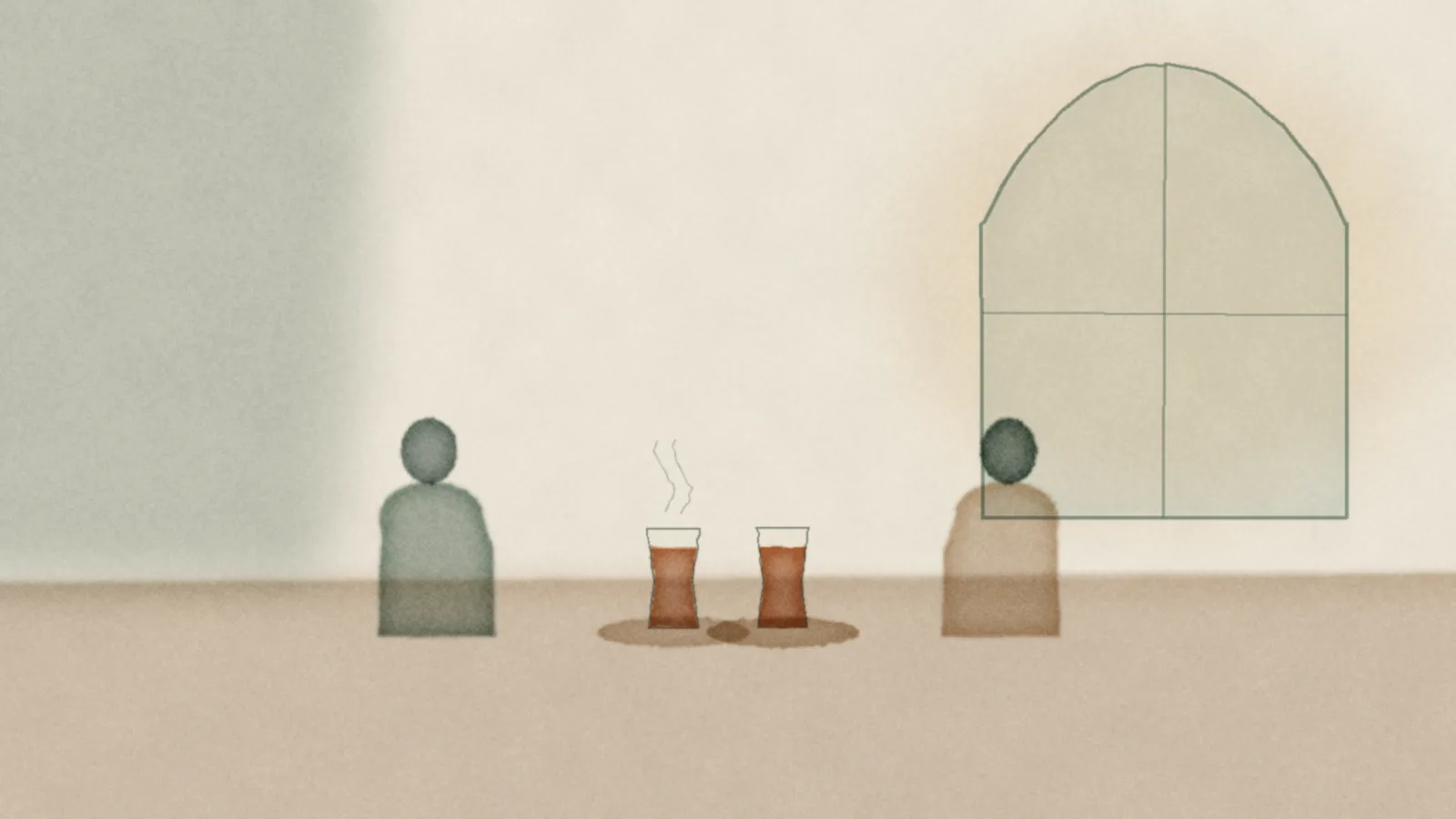
One partner comes home with stories about new colleagues, a funny moment in a meeting, a lunch place everyone likes. The other has spent the afternoon waiting for a delivery, practicing vocabulary alone, and counting the hours until Iran wakes up so there is someone to talk to. At dinner, one asks, “Are we happy here?” and the question lands very differently on each side of the table.
Couples rarely adjust to a new country at the same pace. One person may have a job, a university program or a language advantage that brings daily contact and a sense of purpose. The other may be waiting for a work permit, caring for children, or starting from scratch in a field that doesn’t recognize their qualifications. Psychologists who study acculturation note that people adapt at different rates depending on their circumstances, contact with the new society and support available [1]. Uneven adjustment is common. It doesn’t mean the marriage is failing.
Why the gap can strain a relationship
- Different days, different moods. One partner may feel energized while the other feels isolated, and each can misread the other’s mood as a judgment.
- Shifted roles. A partner who used to be the confident one in Iran may now feel dependent, which can be painful for both.
- Guilt and resentment. The partner who is doing well may feel guilty for enjoying life; the partner who is struggling may resent the move or the person who pushed for it.
- Fewer outside supports. Back home, friends and relatives absorbed some of this. Abroad, couples often become each other’s everything [2].
Swap calendars, not verdicts
“Are we happy here?” compresses two very different lives into one yes-or-no answer. Instead, try trading calendars for an evening. Each of you walks through a typical week and asks:
- Where do I get conversation with someone other than you?
- Where do I get choice, things I decide for myself?
- Where do I feel useful or competent?
Listen for differences without arguing about them. The goal is to understand, not to decide who has it harder.

Pick one missing piece to change together
Once you can see the gap, choose one small change that you can try for a few weeks:
- The partner at home needs the car on Wednesdays to attend a language class or volunteer.
- The working partner wants one evening a week when nobody asks for translation or admin help.
- You both join one activity outside the house, such as a walking group or a Persian community event, so new friendships aren’t only through one person’s work.
Agree on a date to check in, maybe after two or three weeks, and adjust. Small, concrete changes tend to work better than big promises.
Talking without blame
Some sentences that help:
- “I’m glad work is going well for you. I’m finding the days long, and I don’t want that to become your fault.”
- “I don’t know how to help when you’re down. Can you tell me one thing that would make this week easier?”
- “I miss who we were in Tehran. I’d like to figure out who we can be here.”
If old disagreements about the decision to move keep coming back, name that directly and agree to talk about it at a set time, rather than in every argument.
When to get outside help
If conversations keep turning into fights, one of you seems persistently low or hopeless, or there is any fear or intimidation in the relationship, please reach out for professional support. A couples counselor, including Persian-speaking therapists in many cities, can help you talk more safely. If you ever feel unsafe at home, contact local emergency services or a domestic violence helpline. See our support resources page.
Questions people often ask
Is it normal for immigration to strain a marriage?
Yes. Moving countries changes routines, roles, money and support networks all at once, so many couples go through a difficult adjustment period. Talking openly and making small changes together often helps [3].
What if my partner refuses to talk about it?
Start with something smaller than “us.” Ask about their week, or suggest one shared activity. Some people find it easier to talk side by side, on a walk or in the car.
Should we consider couples counseling?
If the same conflicts keep repeating or the distance between you is growing, counseling can help, even if things aren’t at a crisis point.
You’re not the only couple going through this
In White Circle’s Relationships & Marriage circle, Iranians abroad talk about how migration has changed their partnerships. Peer support isn’t couples therapy, but hearing how others handle the same pressures can help. Explore our circles.
References
About this article. Written by the White Circle editorial team, which runs peer support groups for Iranians abroad on anxiety, low mood, relationships, divorce, grief and more. Last updated November 25, 2026. We link the research and health guidance we rely on in the references below.
This article shares general information and lived-experience perspectives. It is not medical advice, diagnosis or treatment, and peer support is not a substitute for care from a licensed professional.
Related support groups: