Building a support network abroad before you need it
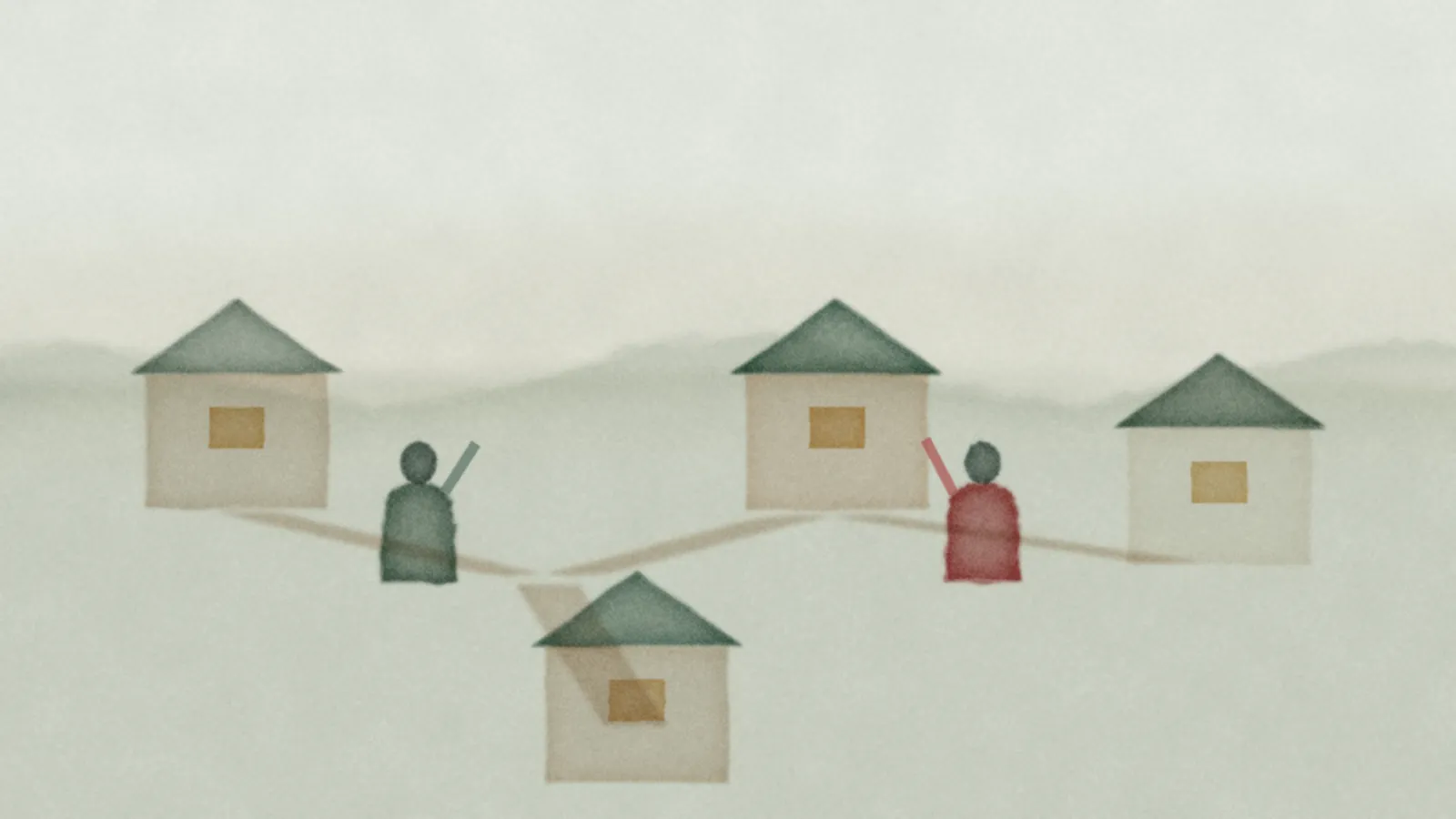
If your car didn't start tomorrow morning, who would you call? Now imagine a different moment: you've just had a painful call with family in Iran and need to talk. Is it the same person? For many people abroad, the honest answer to one or both questions is “I'm not sure.”
Back home, support often came automatically: neighbours, cousins, old school friends, a mother-in-law around the corner. Abroad, you may need to build it deliberately, and ideally before an emergency. Strong social connections protect both mental and physical health [1]. The good news is that support networks grow through small, ordinary exchanges, not dramatic gestures.
Map three kinds of support
Draw three small lists:
- Practical help: someone who could give you a lift, take in a parcel, or watch the kids for an hour.
- Company: someone you could call after a hard day, or have tea with.
- Information: someone who knows how things work here, like doctors, schools, forms and rights.
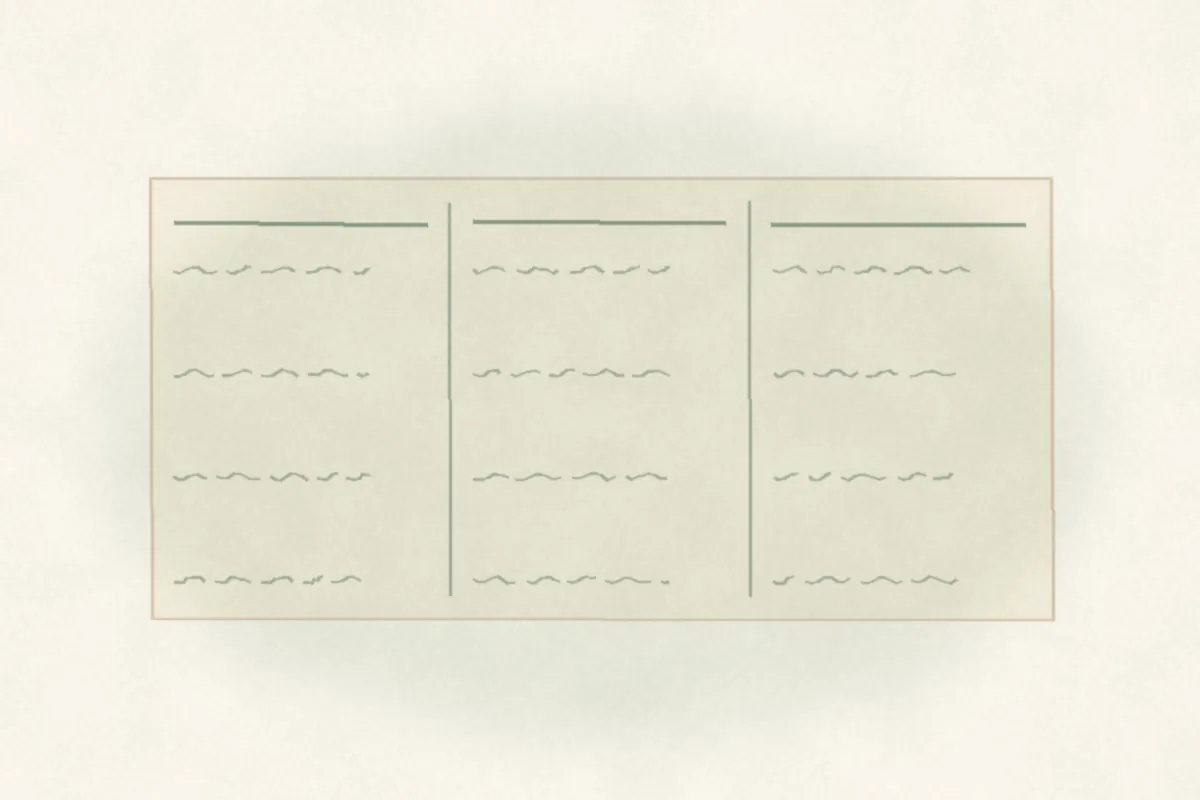
The people on each list may be different, and that's fine. An empty list simply shows you which kind of relationship to begin tending while things are calm.
Start with a small exchange
Support networks are built on reciprocity. Begin with something low-stakes:
- Ask a neighbour if they'd like to swap numbers for parcel deliveries.
- Tell a friend which afternoons you can occasionally offer a ride.
- Offer to share information you've already figured out, like a good doctor or the best bakery.
Let people choose what suits them. Small favours build trust that can carry bigger ones later.
Look in more than one place
Different settings bring different people:
- neighbours and building communities,
- parents from your children's school,
- colleagues,
- language classes, libraries, faith or cultural centres,
- Iranian community groups and online circles.
A network with people from several places is more resilient: if one connection moves away, others remain.
Protect privacy as you go
Keep private details, like your address, health issues or family conflicts, out of shared group chats and lists. Share personal things one-to-one, with people you've come to trust.
Keep it going
Networks need light, regular maintenance: a message on a birthday, returning favours, checking in when someone's quiet [2]. You don't have to do it all at once.
When you feel alone right now
If you're in difficulty and don't yet have people to call, reach out to local services, your doctor, or a helpline. In a crisis, in the US and Canada call or text 988; in the UK and Ireland call Samaritans on 116 123; elsewhere, contact local emergency services. See our support resources page.
Questions people often ask
How do I build a support system with no family nearby?
Start small and local: neighbours, colleagues, parents at school, community groups. Offer and accept small favours, and keep in touch regularly. Over time those relationships become your support system.
How many people do I need in my support network?
There's no magic number. A few reliable people across practical help, company and information can make a big difference.
How do I ask for help without feeling like a burden?
Be specific, offer something in return when you can, and remember most people are glad to help in small ways. Asking often strengthens relationships.
Grow your network with other women
White Circle's Women's Circle is a place where Iranian women abroad find company, practical tips and understanding. Explore our circles.
References
About this article. Written by the White Circle editorial team, which runs peer support groups for Iranians abroad on anxiety, low mood, relationships, divorce, grief and more. Last updated November 25, 2026. We link the research and health guidance we rely on in the references below.
This article shares general information and lived-experience perspectives. It is not medical advice, diagnosis or treatment, and peer support is not a substitute for care from a licensed professional.
Related support groups: