Separating your self-worth from comparisons with others
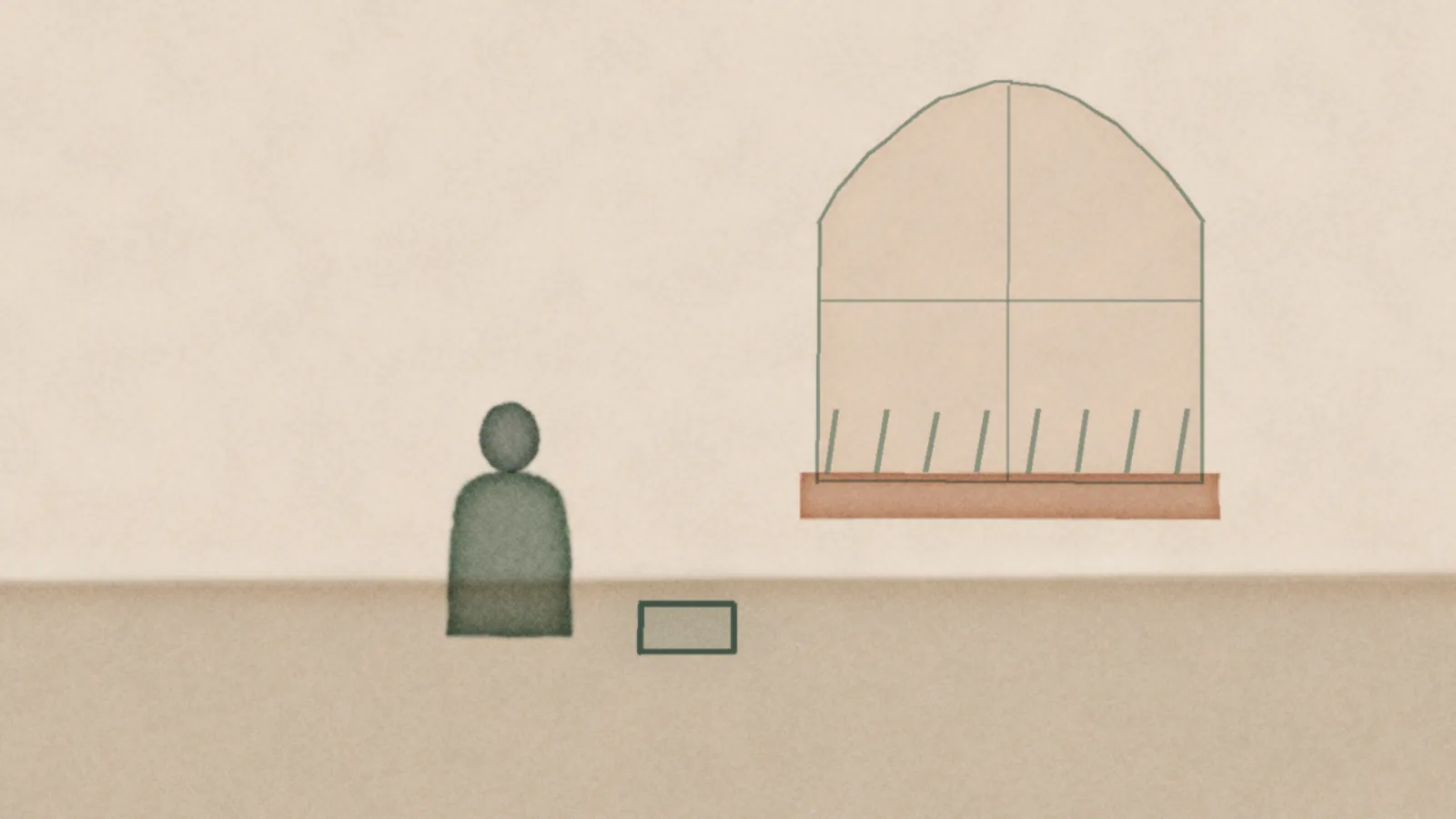
You're scrolling after a long day when a photo appears: a former classmate from Tehran, now in Vancouver, holding the keys to a new house. Underneath, dozens of congratulations. Suddenly your rented kitchen feels smaller, your job feels like a step backwards, and you start counting the years since you both left.
Comparing ourselves to others is a basic human habit. Psychologists have long noted that people judge their progress partly by looking at those around them [1]. Among Iranians abroad, the comparison can be especially sharp: people who started from the same place often seem to be running the same race, and social media shows mostly the finish lines. You know very little about the money, timing, family help or luck behind someone else's photo. You do know what it stirred up in you.
Treat envy as information, not a verdict
Envy hurts, but it can also point toward something you want. Finish this sentence privately, in a notebook or your phone:
“What I envy most in that picture is…”
Maybe it's stability. Maybe it's a garden, or friends nearby, or simply a door you're allowed to paint. Often the thing we envy isn't the house itself but what it represents.
Choose one response that fits your life
Once you know what you're longing for, pick one small step that fits your circumstances now:
- If you want people close by, inviting a neighbour over this month may matter more than looking at listings.
- If you want stability, maybe it's building a small savings habit or getting a clear picture of your finances.
- If you want a place that feels yours, plants, a painted wall (if your lease allows) or a corner arranged the way you like can help.
You don't need to match someone else's timeline. You need a direction that makes sense for you.
Notice what scrolling does to your evenings
If a particular feed keeps leaving you discouraged, try muting it for a couple of weeks and see what happens to your mood. This isn't about avoiding friends; it's about choosing when and how you take in their news. Calling them directly often gives a fuller picture than a highlight reel.
Remember the parts no one posts
Every life story includes setbacks: rejected applications, lonely holidays, jobs below someone's qualifications, family stress. Most people don't post those parts. Your own path has hard-won steps, too, like the language you learned, the systems you figured out and the life you're slowly building. Count them.
When comparison becomes constant
If comparing yourself to others leaves you persistently low, ashamed or hopeless, or you find yourself withdrawing from friends, it may be time to talk to someone. WHO's guide Doing What Matters in Times of Stress, available in Persian, offers short exercises for noticing difficult thoughts [2]. A doctor or counselor can help if the feelings don't lift.
Questions people often ask
Why do I compare myself to people I started out with?
Because they often feel like your closest reference point: people who started from a similar place at a similar time. That makes their progress feel like a measure of yours, even though circumstances differ widely.
How do I stop feeling jealous of friends' success?
You may not stop feeling it entirely, and that's human. Try naming what you want underneath, taking one step toward it, and congratulating your friend sincerely. Envy usually softens when you're moving in your own direction.
Is it okay to take a break from social media?
Yes. Many people find that limiting or muting certain accounts improves their mood. You can stay in touch with friends in more direct ways.
Find your own measure with others
In White Circle's Self-Esteem & Confidence circle, Iranians abroad talk honestly about comparison and building confidence on their own terms. Explore our circles.
References
About this article. Written by the White Circle editorial team, which runs peer support groups for Iranians abroad on anxiety, low mood, relationships, divorce, grief and more. Last updated November 25, 2026. We link the research and health guidance we rely on in the references below.
This article shares general information and lived-experience perspectives. It is not medical advice, diagnosis or treatment, and peer support is not a substitute for care from a licensed professional.
Related support groups: