When your child becomes the family interpreter

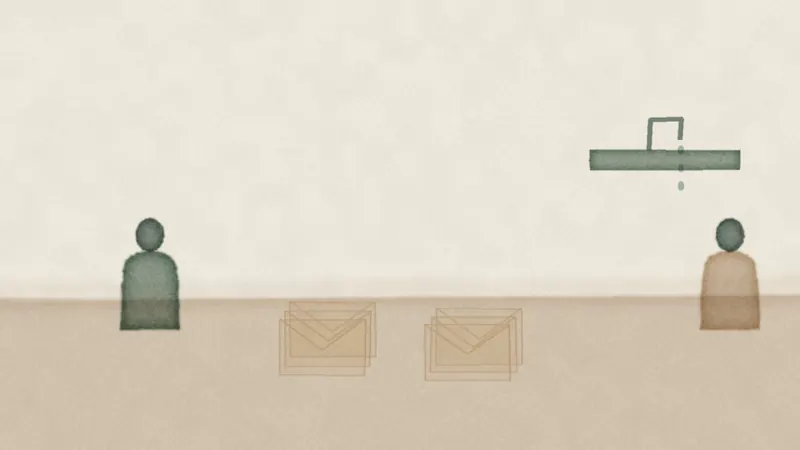
Your ten-year-old reads the sign on the bus before you've found your glasses. At the pharmacy, they explain what you need before you have finished your sentence. They are proud of it, and you are proud of them. Then one day you're at the doctor's office, the receptionist is speaking fast, and your child is trying to translate a question about your blood test results.
Children of immigrants very often become “language brokers” for their families, translating at shops, schools, banks and clinics. Researchers have found that this can bring real benefits, like confidence and closeness, but it can also bring stress when children are asked to handle adult, sensitive or high-stakes conversations [1]. The goal isn't to stop your child helping altogether. It's to keep the heavy conversations with the adults.
Thank them, then take the responsibility back
When your child steps in, acknowledge what they've done: “Thank you for noticing I needed help.” Then make it clear that some conversations are the adults' job. Medical symptoms, test results, bills, legal letters and consent forms can be hard to translate accurately even for adults who use both languages every day. A child may also hear information that worries them, or feel responsible for a decision that isn't theirs.
Arrange an interpreter before the appointment
In many countries, hospitals, clinics and public services must offer interpreters, often free, by phone, video or in person. In the US, for example, many health and social services that receive federal funding are required to provide language assistance [2]. When you book:
- ask for a Persian (Farsi) interpreter and confirm it in writing if possible,
- ask whether phone or video interpreting is available if no one can attend in person,
- arrive a little early, and ask again at reception if no interpreter is present.
Tell your child in advance what will happen: “Someone else will translate for me at the doctor's today. You can bring your book.” This frees them to just be a child in the waiting room.
For everyday errands, ask, and accept no
Helping with small things, like ordering food, asking for directions or reading a sign, can build a child's confidence. Ask rather than assume: “Do you want to help me with this call?” Respect a no. Being good at a language should give your child choices, not obligations.
Keep building your own language and tools
Every step you take toward handling things yourself lightens the load on your child. Language classes, translation apps for simple tasks, choosing Persian-language options where they exist, and asking an adult friend for help can all reduce how often a child is needed. Our article on sharing admin as a couple when one partner knows the language better has more ideas.
Watch for signs of strain
If your child seems anxious before appointments, worries about family finances or health, or starts avoiding situations where they might be asked to translate, talk with them. Their school counselor can help too.
Questions people often ask
Is it harmful for children to translate for their parents?
Occasional help with everyday tasks is common and often positive. Problems are more likely when children regularly translate in emotional, medical, legal or financial situations, or when they feel responsible for outcomes [1].
What if no interpreter is available?
Ask to reschedule, use a phone interpreting service, or bring a trusted adult. If it's urgent, ask staff to speak slowly and write down key information so you can check it later.
My teenager is fluent. Can they interpret at my medical appointments?
Even fluent teenagers may not know medical terms in both languages, and they may hear things that are hard for them. A professional interpreter protects your privacy and theirs. Your teen can still come along for support if you both want.
Share the load with other parents
In White Circle's Parenting Challenges circle, Iranian parents abroad talk about language, school and raising bilingual children. Explore our circles.
References
About this article. Written by the White Circle editorial team, which runs peer support groups for Iranians abroad on anxiety, low mood, relationships, divorce, grief and more. Last updated November 25, 2026. We link the research and health guidance we rely on in the references below.
This article shares general information and lived-experience perspectives. It is not medical advice, diagnosis or treatment, and peer support is not a substitute for care from a licensed professional.
Related support groups: